Kona Beat
Nov 23, 2026
Trivia Question❓What traditional Hawaiian strategy game, sometimes compared to checkers, is played using black and white stones on a board? Answer at the bottom of the newsletter |

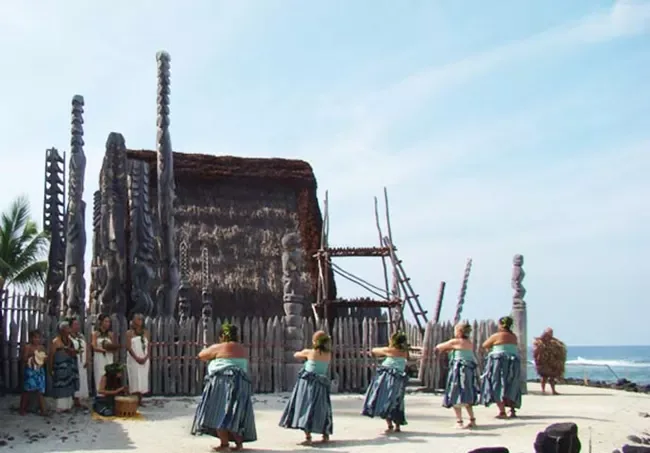
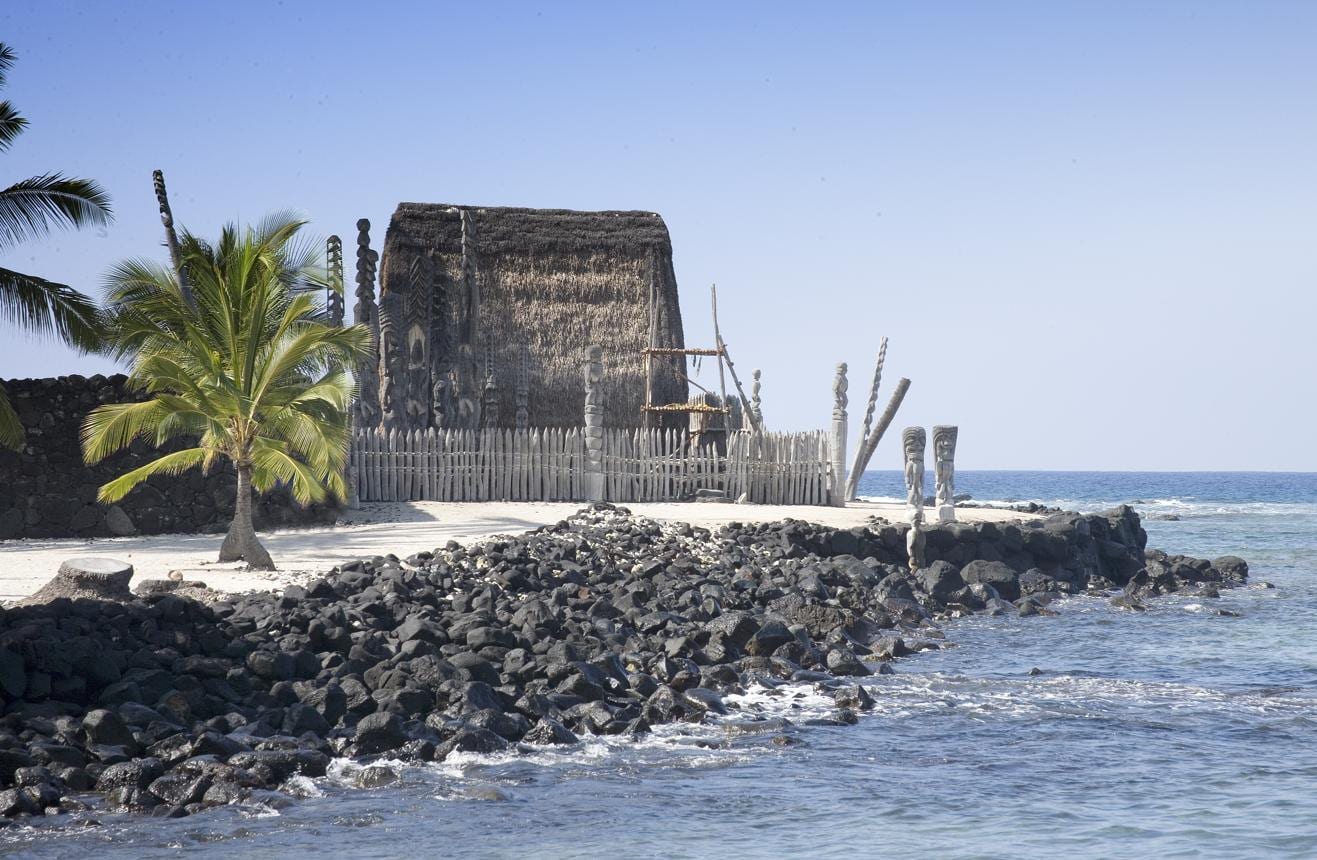
South of Kailua-Kona, Puʻuhonua o Hōnaunau National Historical Park tells a story of refuge, chiefly power and community life along Hawaiʻi Island’s Kona coast.
Under the kapu system, people fleeing conflict or punishment could find sanctuary at the puʻuhonua and, after a priest performed the required rites, return to their communities.
The Great Wall marks the boundary between this sacred refuge and ceremonial grounds near Hōnaunau Bay. Read More... |
Upcoming Events |

Small Business Saturday comes to Kailua-Kona on November 28, 2026, with Shop and Dine Small encouraging residents and visitors to keep holiday spending close to home.
Shoppers can browse local storefronts, share a meal and enjoy live entertainment throughout the day.
The Hawaii County Band is scheduled from 10 to 11 a.m., followed by Kona Aloha Singers from 11:30 a.m. to 12:15 p.m. Read More... |
Friday HulaDate: Nov 27
|
Keauhou Farmers MarketDate: Nov 28
|

A daytime spinner dolphin sighting off Kailua-Kona can feel magical, but the dolphins may be trying to sleep.
They hunt offshore at night, then return to sheltered coastal waters to rest, socialize and care for their young.
Hawaiʻi’s 50-yard rule prohibits swimming with, approaching or remaining within 50 yards of spinner dolphins, including by boat, kayak or paddleboard. Read More... |
Business Spotlight |

A morning at Lele’s Bakery in Kailua-Kona might begin with coffee and a warm ube crinkle cookie, blueberry lilikoʻi scone or honey mac nut bun.
Cinnamon rolls, malasadas and brioche buns offer more reasons to linger.
Co-owners Adriana Rodriguez, Erik Lobner and Ky Soltes opened the storefront after selling their baked goods through Kona coffee shops and farmers markets. Read More... |
Photo of the Week |
 |
 |
💡 Answer to Trivia Question: Kōnane, a traditional Hawaiian strategy game played with dark and light stones on a board called a papamū. It was historically played at Puʻuhonua o Hōnaunau. |